
Cold winter months make staying indoors tempting, but your exterior stone veneer still needs attention. Snow, ice, and melting water can reveal small problems. A simple seasonal check helps you notice changes early and know when to contact a professional.
Thin Brick Company explains how it’s possible to install and maintain exterior stone veneer in the winter with “careful planning, specialized techniques, and a deeper understanding of the materials and environmental factors involved.”
What We Value
Prestige Stone manufactures stone veneer in Ohio with a focus on realistic detail and durability. Our manufacturing process uses molds made from natural stone. Keeping that finished look means caring for both the stone and the wall behind it.
Why Winter Is Tough on Exterior Stone Veneer
Along with the winter elements and potentially extreme weather conditions, come some challenges to stay on top of your stone veneer’s stability and appearance
Freeze-thaw Cycles, Snow, Ice, & Moisture
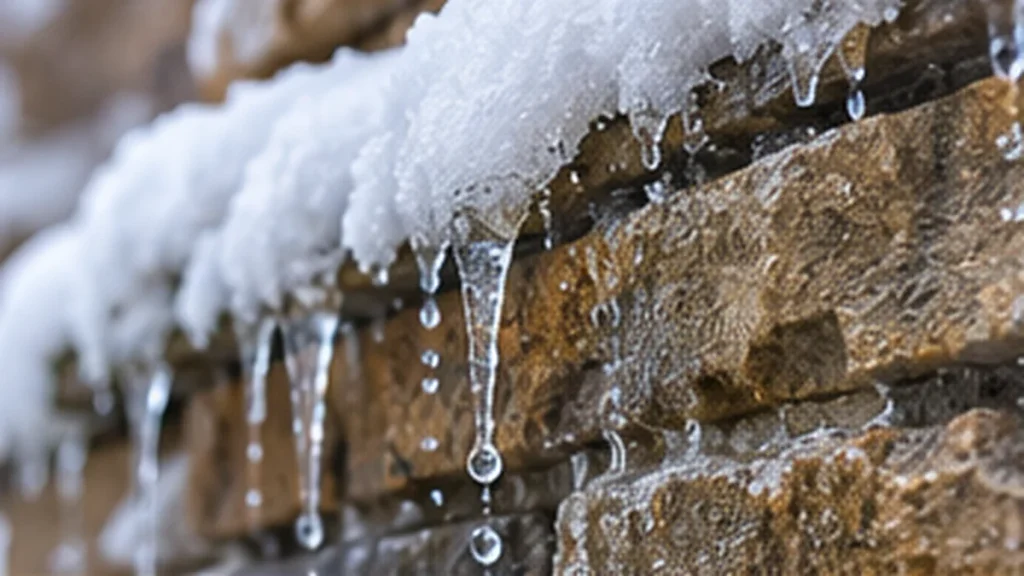
Water expands as it freezes. When moisture collects behind veneer, repeated freezing and thawing can put stress on the installation. Melting snow adds more water. Our stone veneer and moisture guide explains why proper flashing and a well-installed wall system matter.
Noticeable Minor Problems in Winter
A small gap or faint stain may become more obvious during winter. That doesn’t automatically mean the veneer is failing. It does mean the change deserves attention, especially if it keeps returning.
Set Up the Goal & Know
Your goal is to inspect visible areas, leave hidden parts alone, and recognize when help is needed. You don’t have to diagnose the wall yourself.
What Homeowners Should Inspect Before Winter
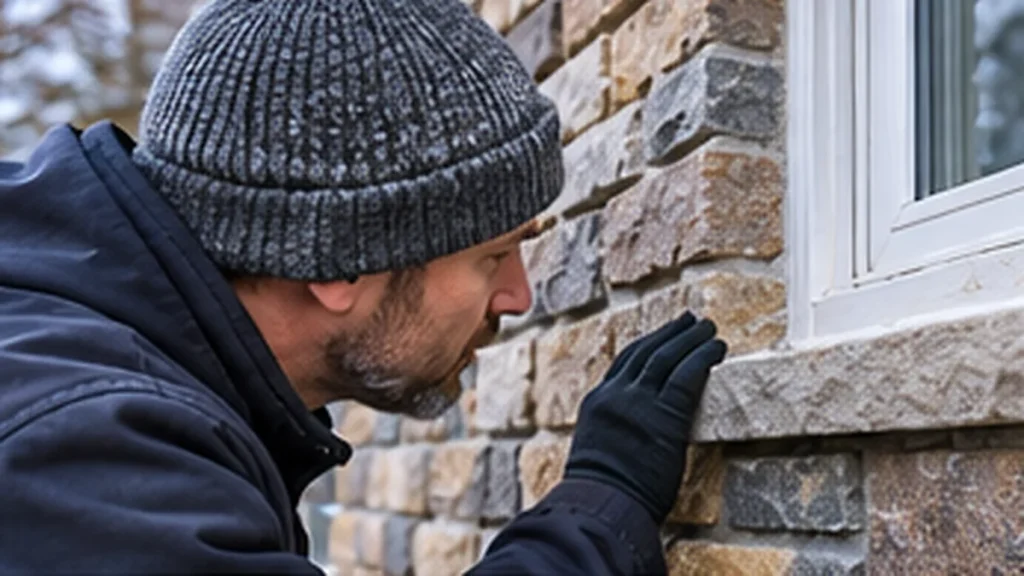
On a dry day, walk around your home from safe, level ground. Take photos for comparison later. Use this list as your guide of what to look for:
- cracked, chipped, loose, or shifted stones
- gaps around windows, doors, vents, & other penetrations
- discoloration, staining, or other signs of excess moisture
- flashing & visible drainage areas
- areas where stone meets roofing, siding, trim, or other materials
- previous problem areas or repairs
What to Watch for Throughout the Winter
Several things to watch for throughout the winter months include new cracks or movement, ice formation, persistent wet or discolored sections of veneer, snow or ice build against the wall, and interior signs of moisture near exterior stone walls.
New Cracks or Movement
After major temperature changes, look for new cracks, wider joints, or shifted stones. Compare them with earlier photos. Don’t pull on pieces to test them.
Ice Formation
Ice repeatedly appearing in one unusual spot may point to runoff trouble. Take a picture rather than chipping it away from the stone.
Persistent Wet or Discolored Sections of Veneer
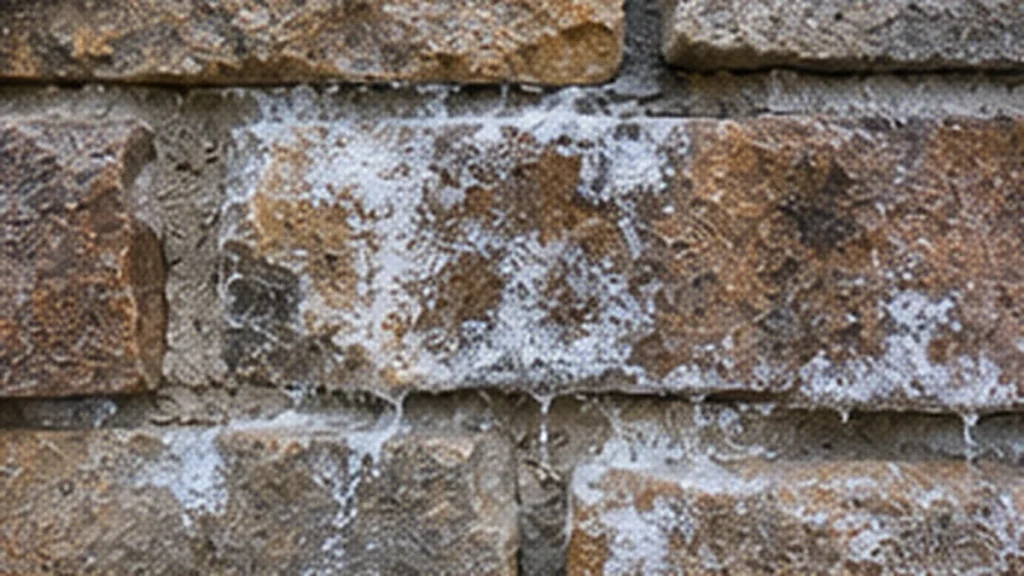
Watch for areas that stay dark after nearby stone dries. White powdery residue, called efflorescence, forms when moisture carries minerals to the surface. Recurring marks deserve attention.
Snow or Ice Buildup Against the Wall
Notice where shoveled snow piles against the wall. Avoid striking the veneer with tools or covering visible drainage openings with snow.
Interior Signs of Moisture Near Exterior Stone Walls
Damp trim, peeling paint, or water stains indoors near the same wall give a professional useful clues. They don’t identify the cause on their own.
Winter Stone Veneer Maintenance Homeowners Can Handle
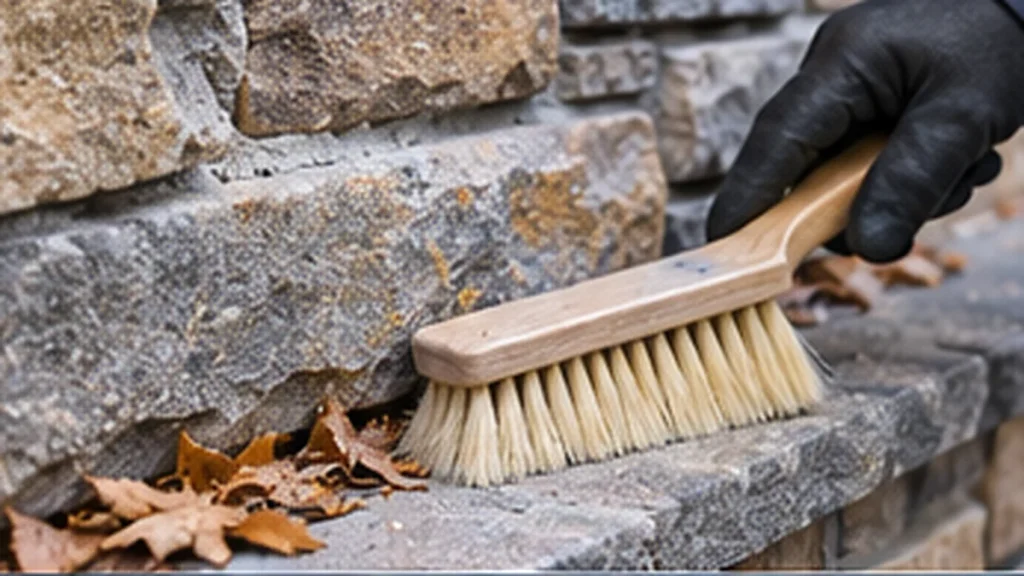
Keep maintenance gentle and limited to safely accessible areas by
- keeping leaves, dirt, and other debris away from drainage areas,
- carefully removing excessive snow buildup near walls,
- visually inspecting the veneer after severe winter weather,
- documenting changes with pictures so they can be monitored over time, and
- keeping gutters and downspouts away from exterior walls.
We recommend soft brushes and warn against pressure washers, wire brushes, and unapproved de-icing salts. Read for yourself here: Care & Maintenance Guide. Leave elevated gutter work for a professional.
What You Shouldn’t DIY
Covering a symptom doesn’t correct its cause. Avoid these shortcuts.
Remove/Replace
Don’t remove or reattach loose stone without understanding why it moved.
Repair
Leave structural repairs and concerns about wall movement to qualified professionals.
Seal
Don’t seal over unexplained gaps. Our sealing guide explains why sealing is optional, not required.
Alteration
Don’t alter flashing or block drainage openings that help water leave the wall.
Moisture Damage
Hidden moisture needs investigation. A surface patch may leave its entry point untouched.
Aggressive Method
Skip forceful ice removal, pressure washing, and harsh chemicals that can damage the finish.
When to Call a Professional
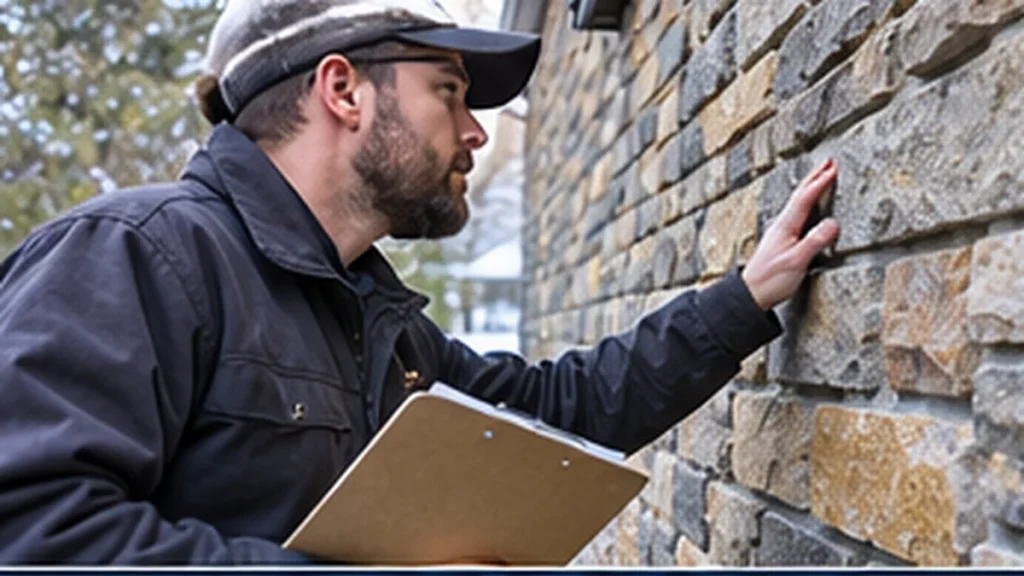
A professional can determine whether a problem is cosmetic or involves the wall system. Share pictures with timestamps and explain when changes appeared.
Arrange a professional assessment for these warning signs:
- multiple loose, cracked, or shifting stones
- continually growing cracks
- water appearing behind the veneer
- staining repeatedly returns
- flashing appears damaged or improperly installed
- interior moisture appears near the affected exterior wall
- damage occurs after severe weather
Online Resources
Our resource library includes installation guides and technical information. Share relevant documents with us so recommendations match your veneer.
Can Exterior Stone Veneer Be Repaired During Winter?
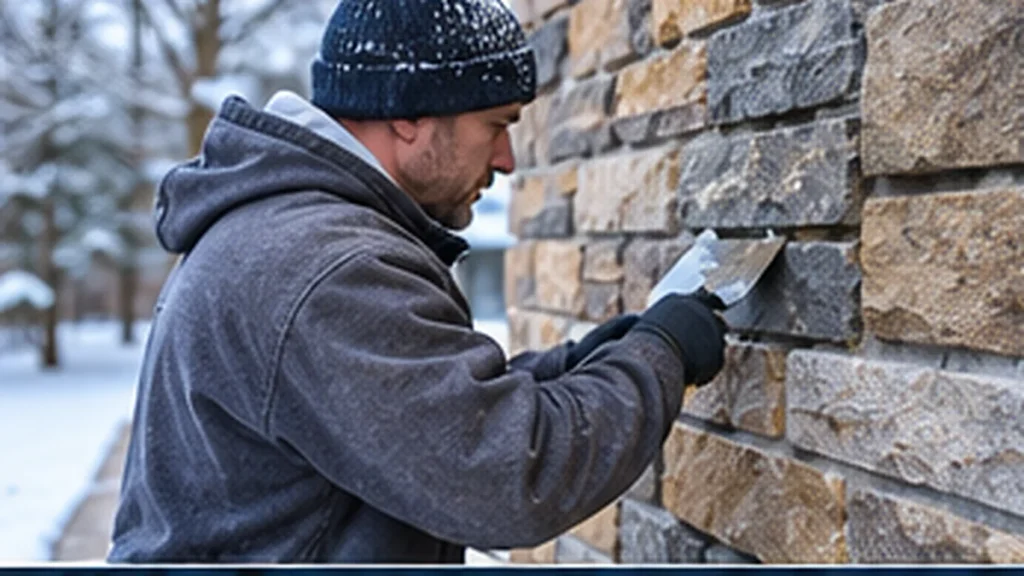
Sometimes. The answer depends on the materials, repair, and weather. An installer must follow the manufacturer’s temperature and curing requirements.
Attachment methods matter, too. Mechanically fastened systems such as SediStone raise different questions than mortar-bonded veneer.
SediStone
Our SediStone installation tutorial shows a clip-fastened approach. This innovative product is designed for more seasons as it uses an all-stainless-steel fastening system and an integrated cavity behind the stone, providing drainage and ventilation to help manage moisture.
Ask us for current written instructions before planning cold-weather work. Confirm mortar requirements, approved fasteners, temperature limits for every component, and drainage and ventilation details. A different attachment method doesn’t eliminate the need for water management or regular inspections.
Inspect Now Before Small Problems Become Bigger Ones
Make an exterior walkthrough part of your routine during the Fall. Check again after severe weather when conditions are safe. Consistent observations help you explain changes clearly. Consider even, a new option, our SediStone!
Takeaways
- Inspect what you can see
- Don’t attempt repairs you can’t properly diagnose
- Bring in a professional when there are signs of a larger issue
Final Thoughts
Want to learn more about SediStone or plan an exterior stone project? Use our dealer locator to discuss options and request current product guidance.
For existing damage, contact one of our qualified professionals for an on-site assessment. Simple checks now help you care for your home all winter. Quote: https://thinbrickcompany.com/blogs/news/can-you-do-stone-veneer-in-the-winter-expert-insights-for-2026
More From the Blog

How to Choose the Right Veneer Colors
Stone veneer has grown in popularity over the years due to its visual appeal and function. Here at Prestige Stone, our…

Stone Veneer and Moisture: Your Questions Answered
Moisture is one of the biggest factors that can affect building materials, and stone veneer is no exception. Whether you’re…

Best Kitchen Backsplash Option: Stone Veneer, Tile, or Peel and Stick?
A backsplash is more than a practical feature—it’s a design centerpiece. We’ve put together a side-by-side comparison of stone veneer,…