
A backsplash is more than a practical feature—it’s a design centerpiece. We’ve put together a side-by-side comparison of stone veneer, tile, and peel and stick backsplashes—so you can choose the best kitchen backsplash for your lifestyle, preferences, and budget.
These materials differ widely in the look they create, how much they cost, how easy they are to care for, and how much value they add to your home. Here, we’ll walk you through the pros and cons of each one.
Stone Veneer
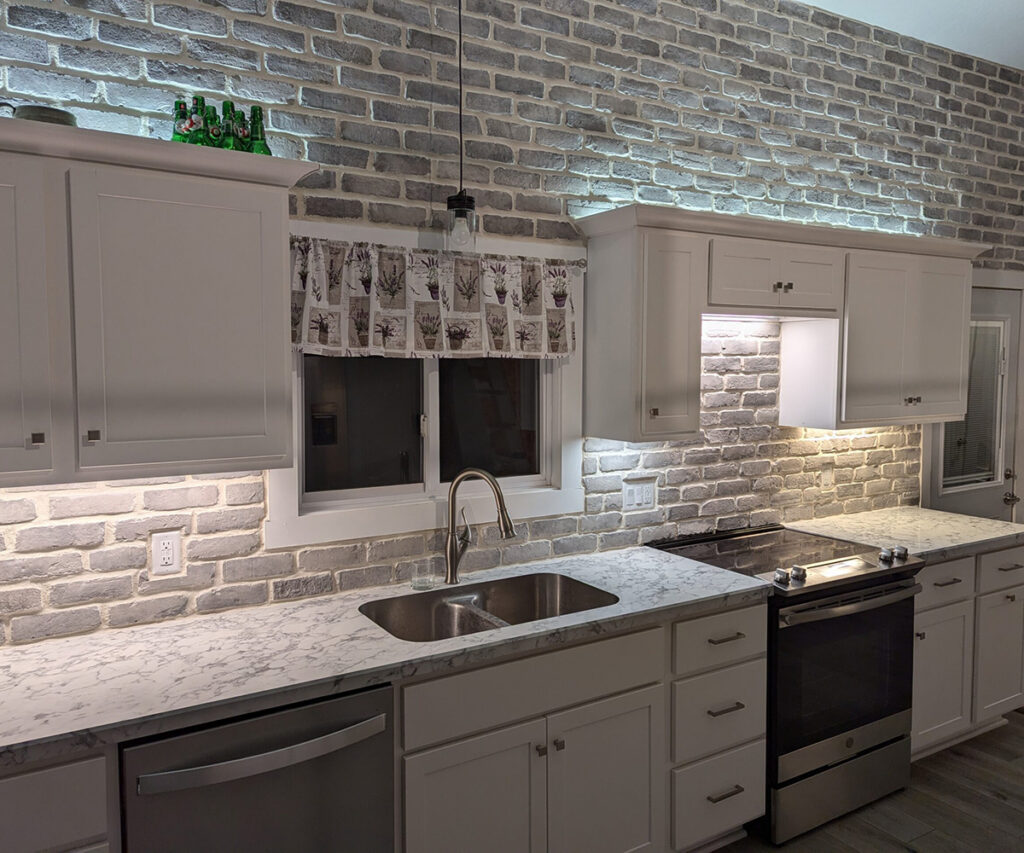
Although natural stone has been used in kitchens for many years, recently stone veneer has become an affordable alternative.
Pros of Stone Veneer
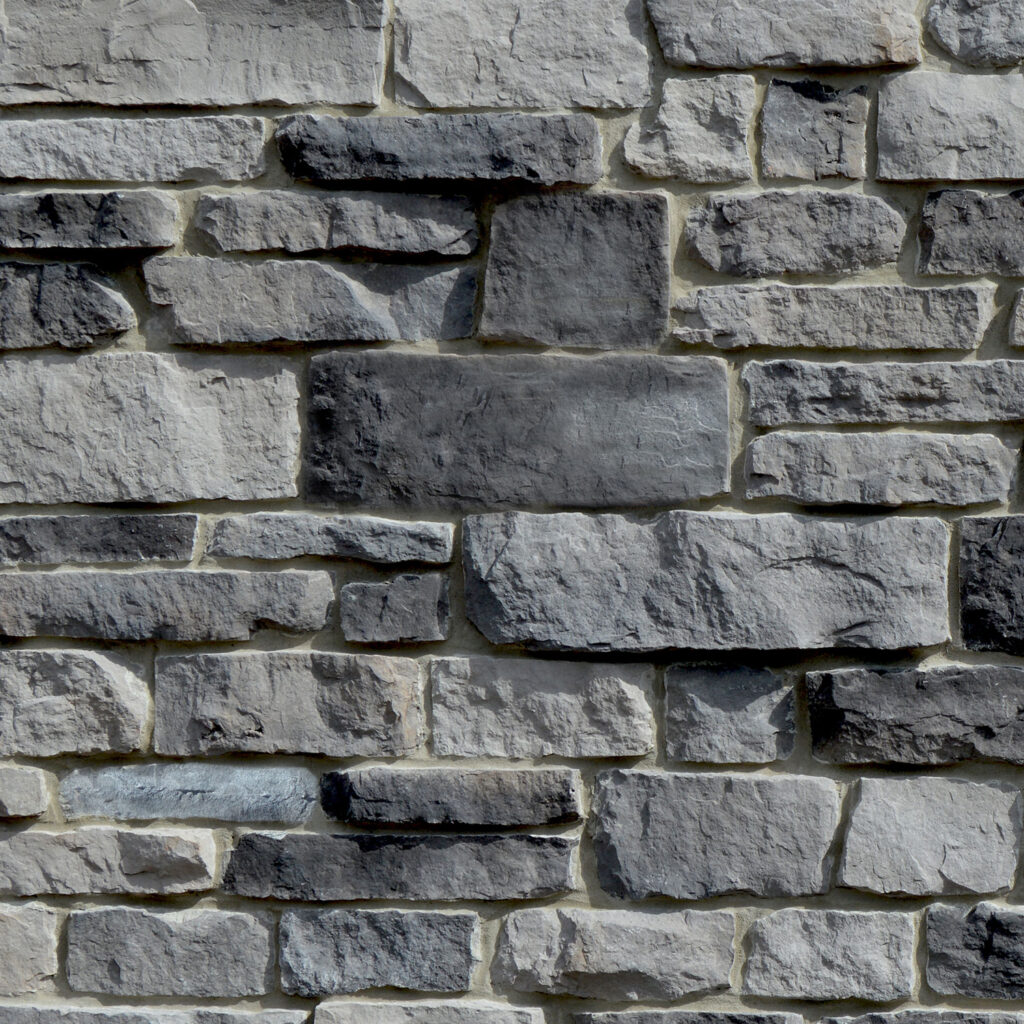
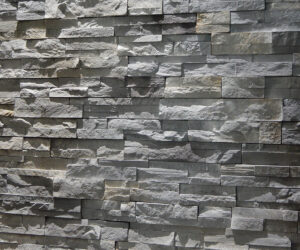
Visual Appeal. Natural touches are a top trend in home design right now. Stone brings warmth, texture and life. Natural materials are very popular right now, and stone adds warmth, texture, and character to a space.
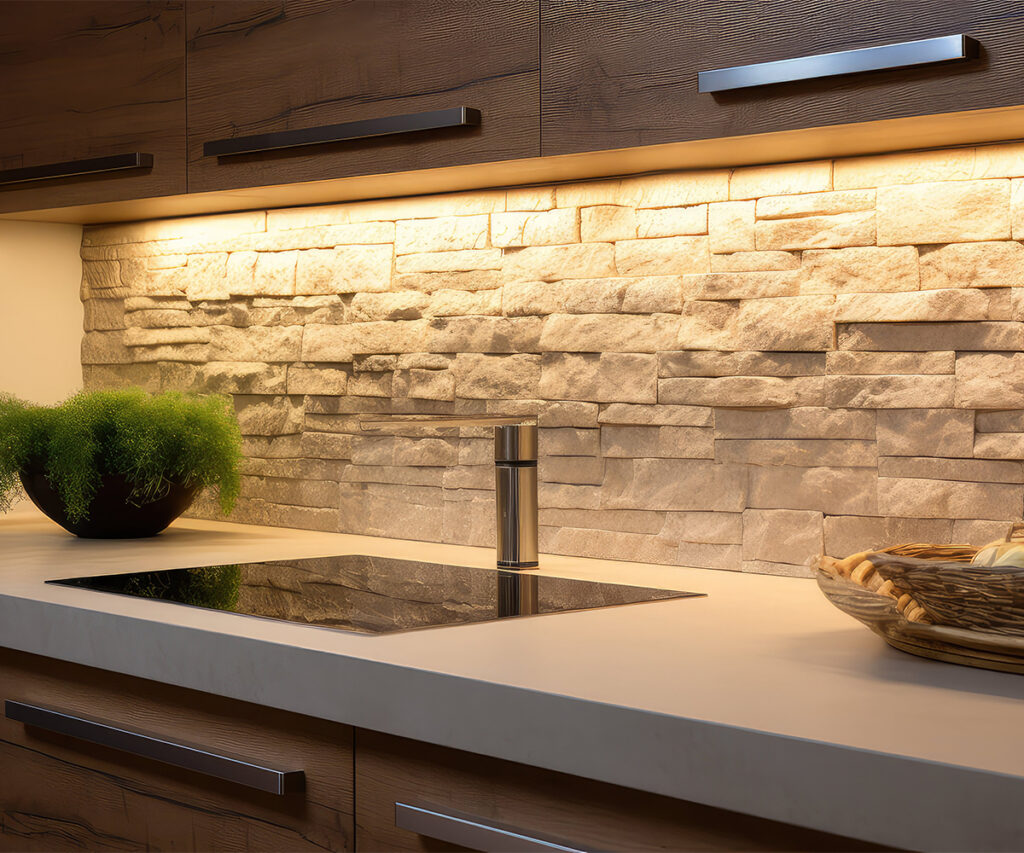
It goes well with any color and style. You can picture the backsplash contrasting with sleek countertops and smooth cupboards. It fits into any kind of design scheme—from sleek minimalism to cozy farmhouse.
Low Maintenance. Stone rarely needs to be cleaned, and when it does, a damp cloth and mild detergent will do. Because it requires professional installation, you can avoid the stress of doing the project yourself.
High End. More than any other type of backsplash, stone brings elegance, luxury, and durability. It’s not affected by hot stoves, damp sink areas, and children. Most interior designers agree that stone veneer provides a significant return on investment, adding lasting value to your home. Stone offers a timeless design choice that feels fresh year after year.
Cons of Stone Veneer
Looks. But this material isn’t for everyone. Compared to tile, stone is limited in color, patterns, and texture. Up close, stone veneer may seem less authentic than real stone.
Secondly, if you have a small area for backsplash, stone may not work well. In fact, older kitchens often have just fifteen inches between the counter and cupboards. Stone doesn’t work as well in small areas since its rough texture tends to overwhelm the space.
Cost. But perhaps the biggest drawback to stone veneer is that it will be more expensive. Although some tile and peel and stick options can occasionally be more expensive, stone usually comes with a high price tag. The material and masons needed to install it will raise the price, especially when compared to a project one might do themselves.
Cleaning and Upkeep. Stone will require more care in a busy kitchen. Acidic food like citrus and tomato can be difficult to clean from stone. Most spills clean up well as long as they’re done immediately. From time to time, it will require a coat to reseal. Although stones are rarely damaged, they can be difficult to repair.
Tile
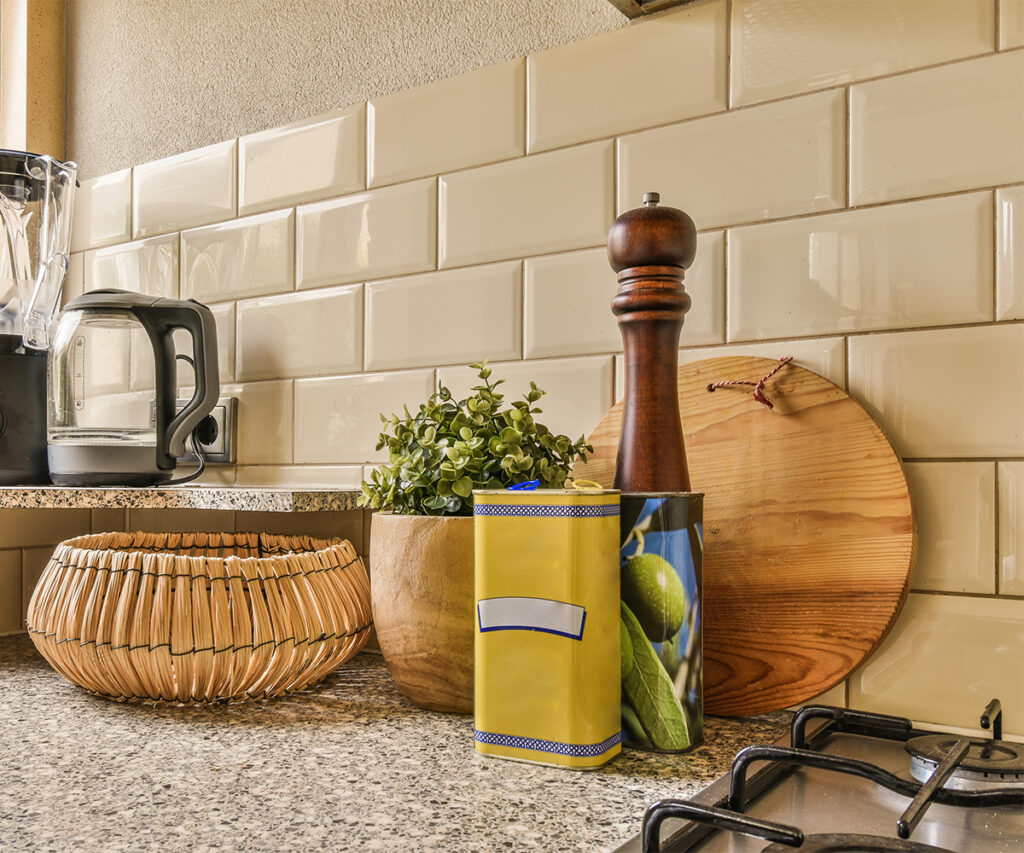
Tile has been a staple for decades thanks to its versatility and long-lasting nature.
Pros of Tile
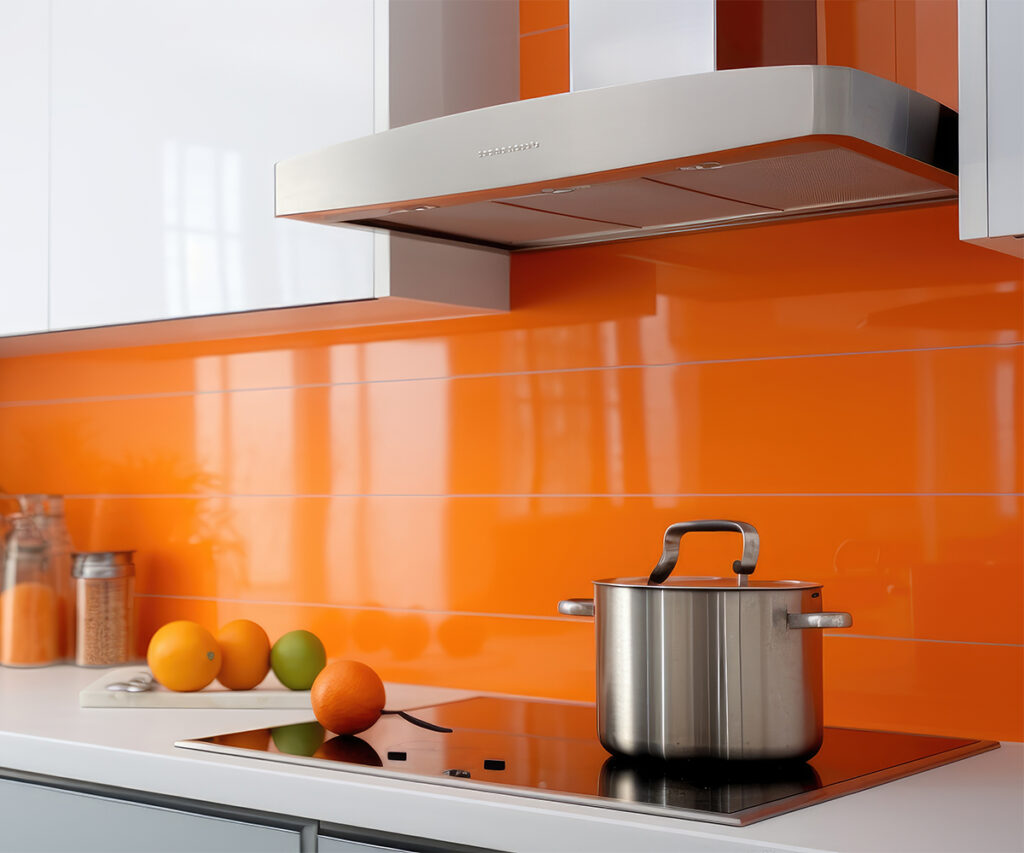
Design Versatility. Tile is perfect if you want lots of design options. It comes in every style and texture, from terra cotta to subway blocks, from retro to Arabesque. If you like color, use tile. You can highlight your backsplash by simply adding color or patterns. Arranging tile in patterns can bring life to a room. People love tile because, like stone, it blends well with all kinds of décor.
Cleaning and Upkeep. Tile is relatively easy to clean. It’s stain-resistant. However, the grout needs to be cleaned carefully and resealed occasionally. For the cost, they’re quite durable. If they do develop cracks or break, a mason can replace it easily. If you have toddlers in the kitchen, this is a great material.
Cons of Tile
Looks. Stone looks more natural and unique, while tile has a simpler, more uniform style.
Upkeep and Installation. Tile can be cleaned easily and quickly, but not grout. It gets dirty easily. Like stone, grout requires regular resealing to prevent moisture issues and mold. Professionally installed tile usually lasts for many years. Sometimes homeowners lay their own backsplash, with varying results. If it’s not installed properly, tile cracks or develops mold.
Peel and Stick
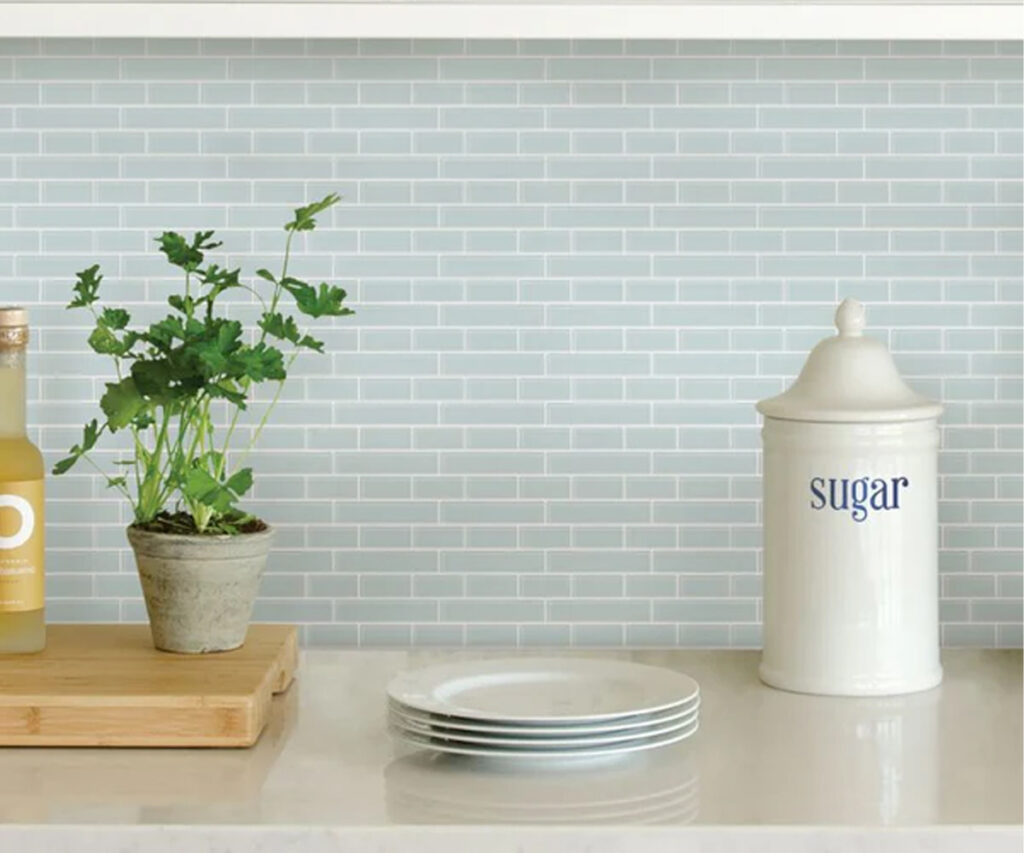
Peel and stick backsplashes are a newer option made from materials like vinyl, metal, or glass. Just peel, stick, and you’re done. They come in temporary or permanent adhesives and a wide range of prices.
Pros of Peel and Stick Tile
Trendy Aesthetics. The best thing about peel and stick tile is that it’s affordable and stylish. If you like to change décor frequently, this is likely the best option for you. You can change out your tile to the latest trend—whether it’s Moroccan blue or tumbling bumblebees. Peel and stick can create a polished, high-end look, especially in staged spaces.
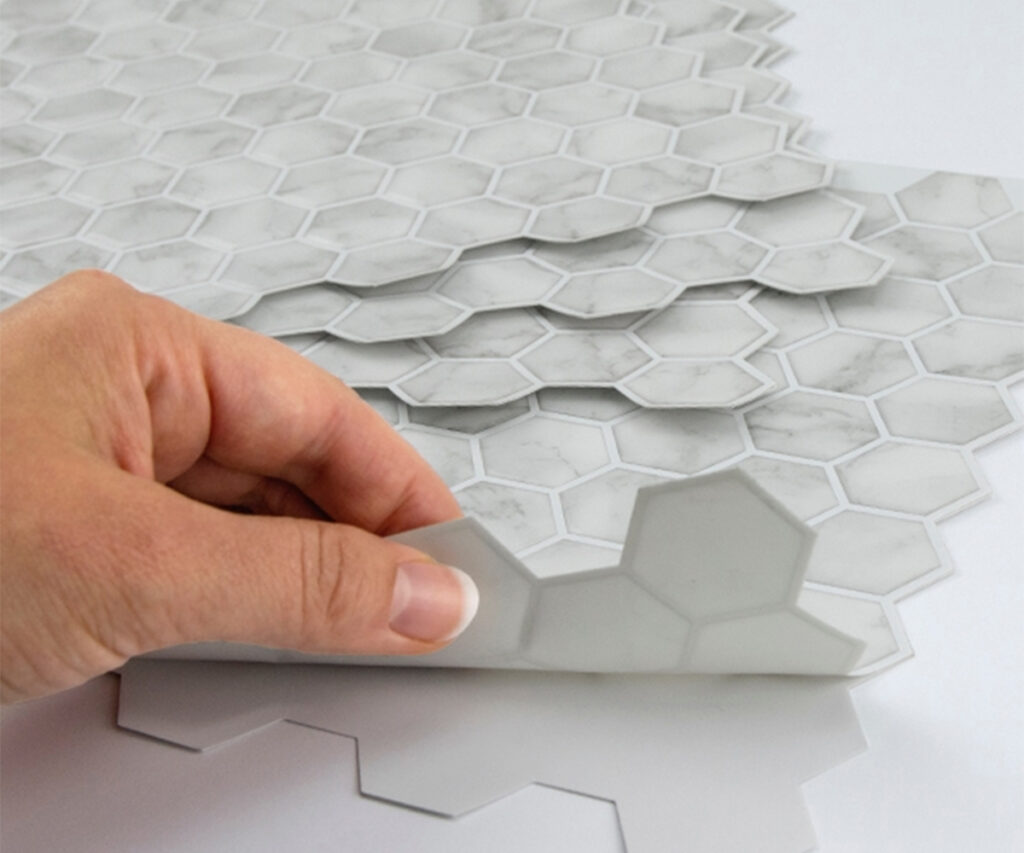
Installation. While a few people can install their own tile with a few tools and a lot of work, nearly everyone can put up their own peel and stick. They don’t take long and rarely require special tools. After they’re up, there’s no mortar or grout to clean.
Flexibility and Cost. People love this kind of material. Its low price allows them to play with colors and textures they’d be hesitant to spend a lot of money on. According to the US News and World Report, most people pay $1000 for kitchen backsplashes. In contrast, peel and stick range from $100 to $900 for 200 square feet. But even with the low price, it’s important to note that real subway tile is actually cheaper than its peel and stick counterpart.
Cons of Peel and Stick Tiles
Aesthetic Limitations. Peel and stick may lack the texture and realism of tile and stone. Cheaper kinds lack the texture and depths that tile and stone have. More expensive kits give a richer, more detailed look.
Durability. A big question on everyone’s mind is this: do they last? How long they last varies widely, with some products lasting only a year while others claim a decade or more. For now, no one knows how it will hold up to time. What we do know is that permanent peel and stick kits are more expensive and less prone to discoloration. However, extremes like direct sunlight, heat from a stove, and high humidity will likely affect the adhesive and color.
Impact on Home Value. Homeowners planning to sell may want to avoid peel and stick. It might give potential buyers the impression of lower-quality renovations. Secondly, the glue might break down and damage the wall when removed. If you’re a renter, this may keep you from getting your security deposit back.
Conclusion
Your backsplash does more than protect your walls—it sets the atmosphere in your kitchen. The best material for your kitchen depends on your priorities. Do you value luxury, customization, or affordability?
| Feature | Stone Veneer | Tile | Peel & Stick |
| Cost | $$$ (higher) | $$ (moderate) | $ (low) |
| Installation | Professional only | DIY or pro | Easy DIY |
| Maintenance | Sealing required | Grout upkeep needed | Minimal, short lifespan |
| Style | Natural, timeless | Versatile | Trendy, budget-friendly |
- Choose Stone Veneer if you want a luxurious, long-lasting feature that improves your home’s value and makes a bold statement.
- Choose Tile if you’re looking for variety and color that isn’t too expensive but still stands up to use.
- Choose Peel and Stick if you love switching up your aesthetic or want an easy, budget-conscious way to refresh your kitchen.
Whatever you choose, your backsplash will upgrade your kitchen’s design, creating a welcoming space you’ll enjoy for years.
More From the Blog
Why is the Veneer Darker than the Sample?
Have you fallen in love with one of our samples but the product you received is darker than the examples…

New Veneer: Entering Another Dimension
At Prestige Stone, our goal is to continue building up a great foundation of stone veneer products. We want to design molds…
Pro Stack Application Issues
Have you been facing adhesion problems with your application of our Pro Stack stone veneer? These 3-inch modular pieces aren’t applied…